
Laser treatment for pigmentation
Pigmented spots such as age spots and sun spots often appear on areas exposed to sunlight. Not every pigmented lesion is suitable for laser treatment. The approach depends on the type and appearance of the pigmentation, skin type and individual findings. Treatment options, realistic expectations and a personalised plan are discussed during consultation.
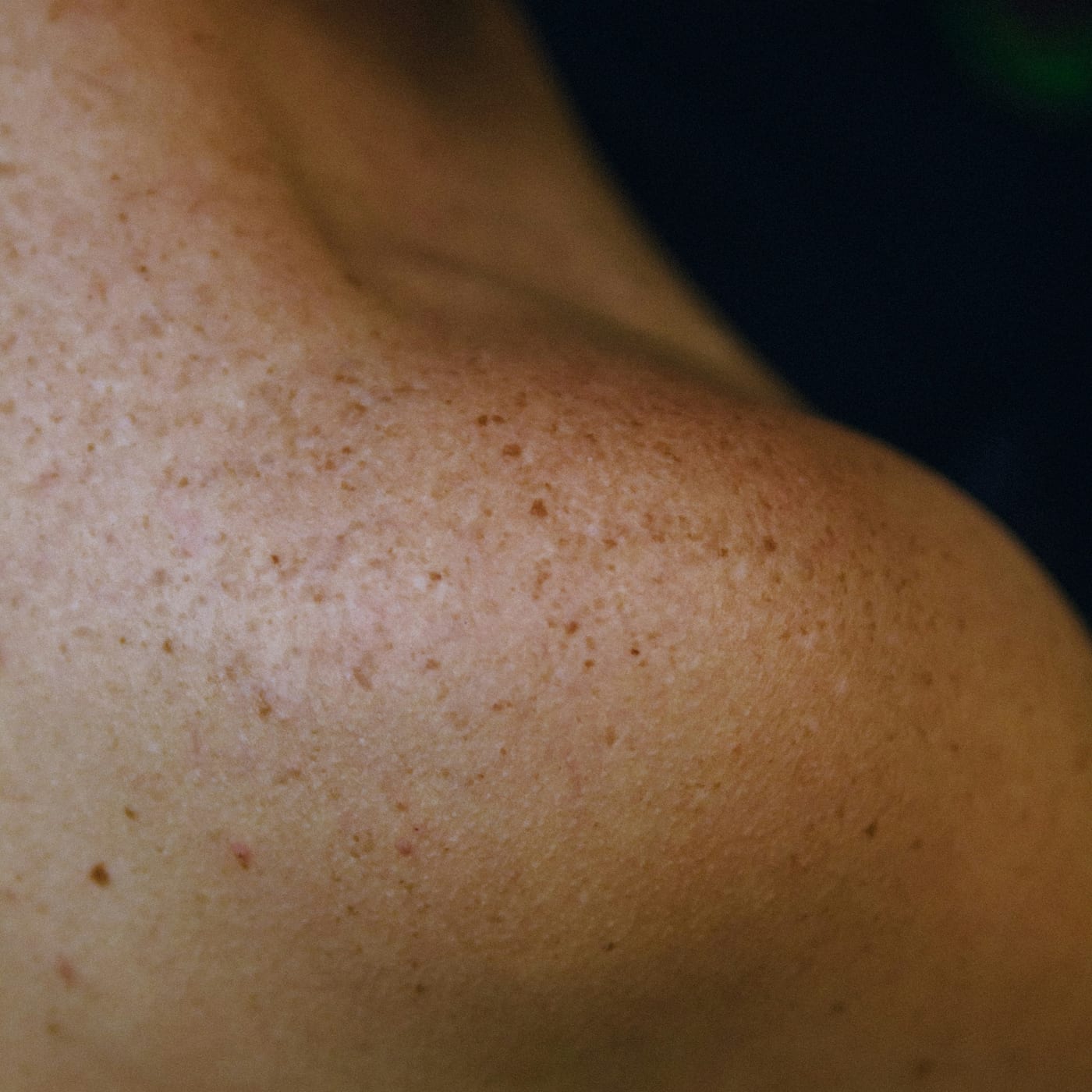
Suitability and assessment
The consultation considers the appearance and history of the pigmentation, skin type, recent sun exposure, medication and relevant medical factors. Any new, changing, irregular or otherwise unclear pigmented lesion must be assessed by a dermatology specialist before cosmetic laser treatment. Treatment should not proceed until the lesion has been appropriately clarified.
Treatment process
For suitable superficial pigmentation, treatment settings are selected according to skin type, area and clinical findings. Short laser pulses target pigment within the skin. Treatment time and the number of sessions depend on the size of the area and the number and characteristics of the spots.
Aftercare and sun protection
Temporary redness, sensitivity, darkening or fine crusting may occur. Crusts should not be picked and individual aftercare instructions should be followed. Intensive UV exposure and tanning beds should be avoided for about four weeks before and after treatment; protect the treated area consistently with clothing and broad-spectrum SPF 50+.
Results and possible risks
The degree of lightening and number of suitable sessions vary from person to person. Complete or permanent clearance cannot be guaranteed, and pigmentation may recur. Possible risks include lighter or darker pigment changes, prolonged redness and, rarely, scarring.