
Hyaluronic acid fillers for lips, contours and volume
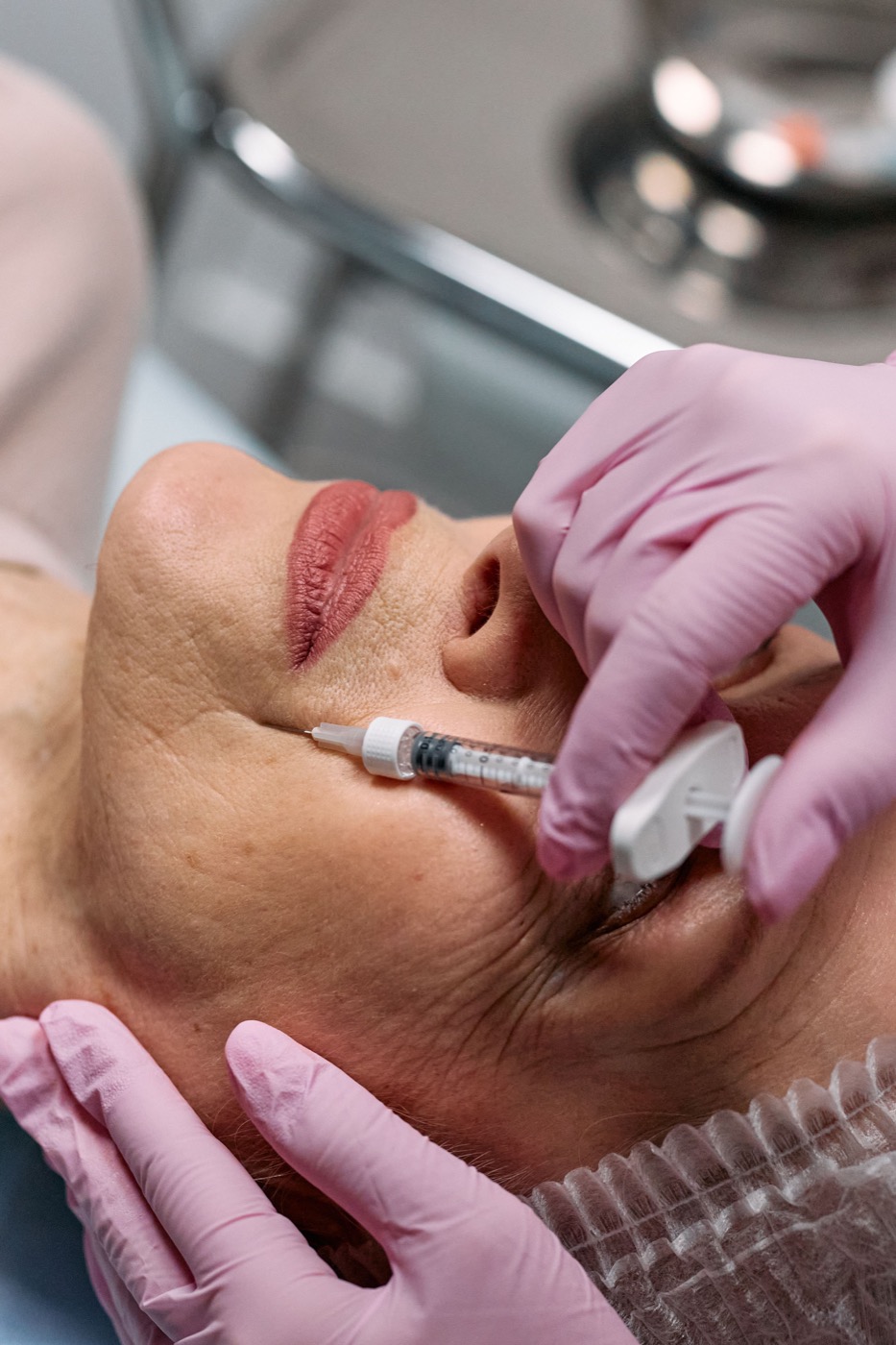
Hyaluronic acid fillers can temporarily add volume to selected tissue layers, balance contours or shape the lips, cheeks and chin. Product, technique and amount are tailored to anatomy, tissue and the treatment goal. Results are temporary, do not stop the natural ageing process and vary between individuals.

Suitability and medical planning
Before treatment, facial proportions, tissue quality and the requested outcome are assessed. Medical history includes allergies, inflammation or infection, bleeding tendency and medication, recent dental work, and previous fillers or implants. Treatment is postponed during active inflammation or infection and is generally avoided during pregnancy and breastfeeding. Approval and suitability vary by product and area, so not every filler is appropriate for every part of the face.
How filler treatment is performed
After cleansing and disinfection, the selected hyaluronic acid filler is placed into the planned tissue layer using a needle or cannula. Local anaesthetic may be used depending on the product and area. The physician works with controlled amounts and checks contour and symmetry during treatment; the required volume depends on the findings and agreed goal.
Aftercare and urgent warning signs
Swelling, redness, tenderness or bruising may occur after filler treatment, so the early appearance is not the final result. The treated area should be massaged only if advised, and individual aftercare instructions should be followed. Unusual or increasing pain, white, grey or blue skin discolouration, a cold skin area, visual changes or neurological symptoms are warning signs requiring immediate medical or emergency assessment.
Results and possible risks
Some volume change is visible immediately, but the result is assessed only after the initial swelling has settled. Duration and extent depend on the product, area, tissue and individual metabolism. In addition to asymmetry, over- or under-correction, infection, nodules, migration and delayed inflammation, there is a rare risk of vascular occlusion and tissue damage; serious consequences can include visual impairment or blindness and stroke. Hyaluronidase can reduce hyaluronic acid filler in certain situations, but it cannot reliably reverse every change completely and carries risks of its own.